A billion-ringgit
waste problem.
An oil-producing asset flowing to waste across thousands of mills — a market opportunity measured in billions of ringgit.
Wastewater,
quietly worth millions.
Malaysia's palm oil industry processes over 100 million tonnes of fresh fruit bunches a year. Each tonne produces roughly one cubic metre of effluent. That wastewater carries residual crude oil — around 1% by weight — and almost none of it is recovered. The economics are straightforward: hundreds of thousands of tonnes of oil, billions of ringgit, discharged annually into treatment ponds.
Recovery systems were capital-heavy and operationally intensive. Most mill owners, facing narrow margins and existing compliance pressures, never justified the spend. So the oil stayed where it was — in the ponds, diluted, treated, forgotten.
The calculus has changed. Biofuel and sustainable aviation fuel refiners in Europe now pay a premium for waste-based feedstocks. Under the EU's Renewable Energy Directive, POME-derived oils count twice toward renewable mandates — a structural distortion that has pulled prices above conventional CPO. Demand is rising; supply is barely organised. Mills that recover their oil have something buyers actively want.

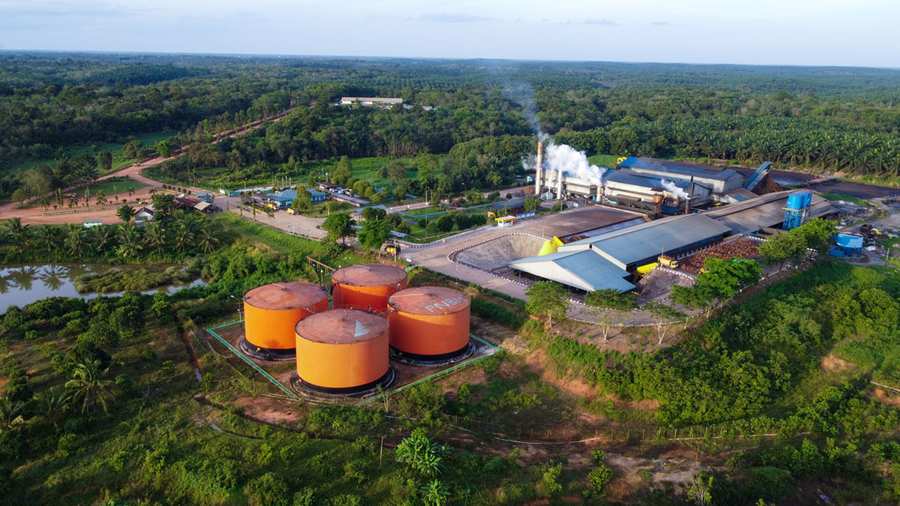
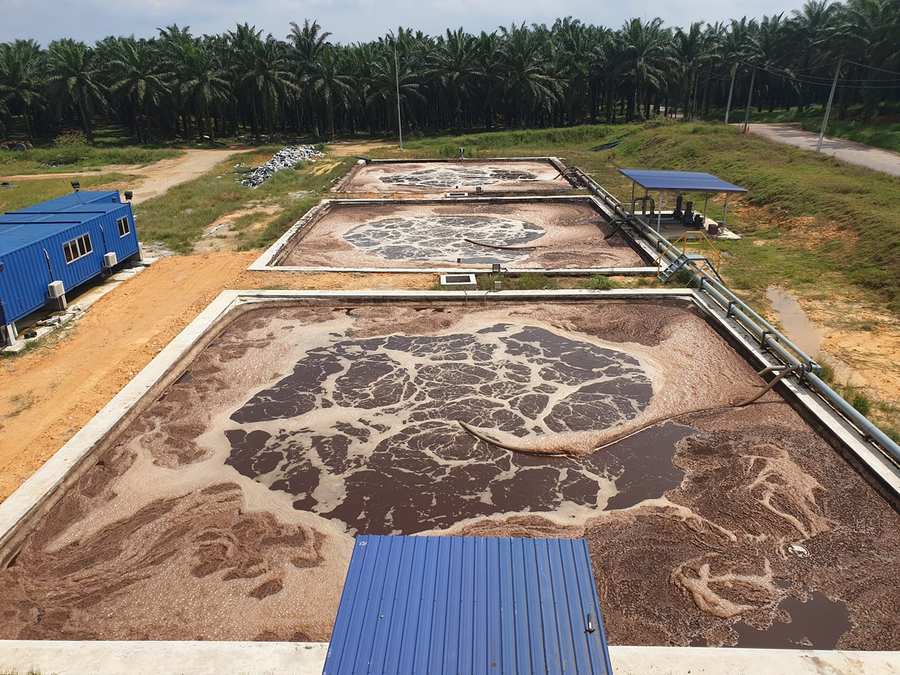
Malaysia palm oil sector
PORS is built for exactly this moment. Under Koastal Eco's BOOT model, mills deploy recovery with zero capital outlay and receive a direct share of recovered profit from month one — no upfront investment, no operational burden, no production disruption.
For mill owners, it is new revenue from an asset they already own. For the industry, it is the shortest path to recovering what has always been there.
A typical 60 MT/hr mid-size mill carries ~1,400 MT of recoverable oil in its POME stream each year — drainable, quite literally, as ~RM 2.8M of recoverable profit flowing into effluent ponds.
Beyond the financial loss, elevated oil content in untreated POME impairs biological treatment, increases compliance risk, and represents a sustainability gap for mills seeking RSPO certification.
Request your free site assessment →Three forces creating
an immediate window.
Structurally elevated CPO prices amplify the value of every tonne recovered — improving PORS economics for both Koastal Eco and the mill.
EU deforestation and RSPO requirements tighten standards for palm oil exports. Resource recovery is a demonstrable, site-level sustainability action.
Palm-based recovered oil qualifies as SAF feedstock under EU RED II double-counting provisions — commanding a structural premium above conventional CPO sales.